


Bedas reports that its psychiatrist evaluates and diagnoses dementia-related concerns and mild cognitive impairment within the psychiatric scope of care. A specialist neurologic evaluation or additional testing may still be needed to clarify cause or rule out other conditions.

Greater Miami + Florida telehealth
Psychiatric care for dementia-related symptoms
In-person evaluation, cognitive screening, and psychiatric management for adults 65 and older with suspected dementia, mild cognitive impairment, or Alzheimer’s and related disorders.
Board-Certified PsychiatristCare Available in English and SpanishIn-Person Care in Greater MiamiTelehealth Across Florida
Selected insurance plans acceptedCoverage varies







Insurance participation and coverage vary by plan. Please contact the office or your insurer to confirm benefits before your appointment.
Care may include psychiatric evaluation, medication review and management, cognitive screening, depression screening, psychotherapy or therapy referral, caregiver resources, and coordination with neurology when appropriate.
A private first step
Ask the office to contact you.
What may bring someone to care
Start with the pattern affecting daily life.
Care may include psychiatric evaluation, medication review and management, cognitive screening, depression screening, psychotherapy or therapy referral, caregiver resources, and coordination with neurology when appropriate.
- 01New memory or thinking changes
- 02Mood, anxiety, or behavior changes
- 03Medication questions or side effects
- 04Loss of daily functioning
- 05Family concerns about safety or judgment
- 06Suspected mild cognitive impairment
- 07Psychiatric symptoms in Alzheimer’s or related disorders
What care may include
A plan is built after understanding the whole picture.
- 01
An in-person psychiatric evaluation
- 02
Cognitive and mood screening selected by the psychiatrist
- 03
Review of medications, health history, and daily functioning
- 04
Collateral history from a family member or support person
- 05
Psychiatric management and therapy support when appropriate
- 06
Neurology referral or coordination for specialist questions
The full picture matters
Cognitive changes deserve careful listening, context, and coordination.
Bedas telehealth service
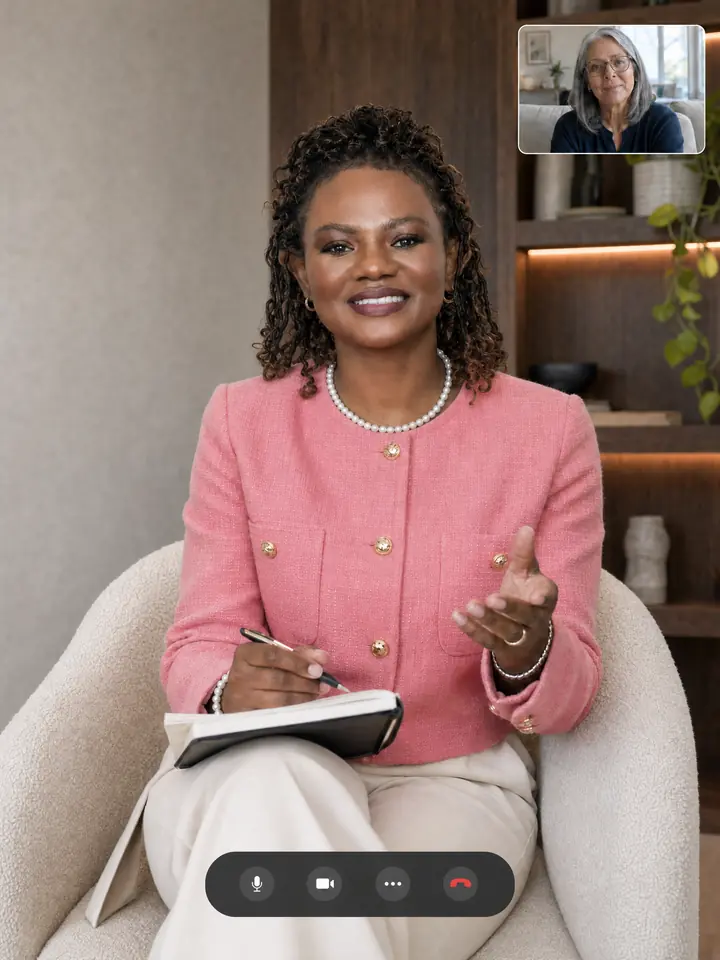
After the first in-person visit, follow-up may be available by video.
Bedas requires the initial dementia-related visit in person. Depending on the patient’s needs, later psychiatric follow-up may be available by telepsychiatry.
First visit in personFollow-up depends on needPhysically in Florida
- Start with daily impact
- Whole-person review
- Safety first
- Care in context
- Ask about telehealth
- English · Spanish
A guided clinical overview
The main answer first. Open one topic at a time.
Symptoms, evaluation, treatment, and follow-up remain available without turning the page into one long wall of text.

01Who is this service for?This Bedas service is for adults age 65 and older with suspected dementia, mild cognitive impairment, or psychiatric symptoms associated with Alzheimer’s disease and related disorders.OpenClose
A person does not need to arrive with every answer. The evaluation can begin with changes noticed by the patient and family, including memory, thinking, mood, sleep, behavior, judgment, medication response, or everyday functioning.
Bedas does not accept acute delirium, severe aggression, nursing-home residents, or patients under age 65 through this pathway. Sudden confusion can be a medical emergency and should not wait for a routine psychiatric appointment.
- Adults age 65 and older
- Suspected dementia or mild cognitive impairment
- Alzheimer’s disease and related disorders
- Behavioral, emotional, and medication-related concerns
02What happens during the initial evaluation?The first visit is in person and reviews the patient’s own experience together with useful collateral history, medications, health context, daily functioning, mood, behavior, and safety.OpenClose
The psychiatrist may select a cognitive screening tool such as the MoCA, Mini-Cog, MMSE, or SLUMS. A PHQ-9 or Geriatric Depression Scale may also be used when mood symptoms need review. A screening score is one part of the evaluation and is not interpreted in isolation.
Bring a complete medication list, useful medical records, and a family member or trusted support person who can describe changes over time. Bedas confirms the appropriate authorization and who may legally provide information or make decisions when the patient cannot consent.
- Patient and collateral history
- Cognitive and mood screening when clinically appropriate
- Medication, medical, and psychiatric review
- Daily functioning, behavior, and safety
03What can Bedas diagnose and manage?The psychiatrist can evaluate cognitive concerns, diagnose and manage dementia-related psychiatric needs, and discuss an individualized plan based on the full clinical picture.OpenClose
Psychiatric management may address depression, anxiety, sleep or behavior changes, medication response, caregiver observations, and other emotional or behavioral symptoms associated with Alzheimer’s disease and related disorders.
Care may include medication review or management, psychotherapy, therapy referral, and practical resources. The exact plan depends on the evaluation. This page does not promise a particular diagnosis, prescription, written care plan, test, or treatment before the visit.
04When is neurology or other testing needed?Cognitive screening in a psychiatric visit is not the same as a neurological examination, brain imaging, biomarker testing, or a full neuropsychological evaluation.OpenClose
When neurologic symptoms, diagnostic questions, imaging, specialist testing, or another medical issue needs separate review, Bedas may coordinate a referral with an independent neurologist or another appropriate clinician.
Carrie Landess, MD, is the board-certified neurologist in Bedas’s current referral and teleneurology collaboration pathway. Her appointment availability, evaluation scope, billing, and insurance must be confirmed separately.
05Can follow-up care be provided by telepsychiatry?The initial dementia-related psychiatric visit requires an in-person appointment. A later follow-up may be considered by telepsychiatry depending on the patient’s needs.OpenClose
Video follow-up is not automatic. The psychiatrist may require an office visit because of cognitive status, safety, medication needs, examination needs, privacy, technology, collateral participation, or changes in the clinical picture.
The patient must be physically located in Florida for a Bedas video visit. Emergency symptoms, sudden confusion, severe aggression, or immediate safety concerns require urgent medical or emergency support rather than telepsychiatry.
06What should a family member or support person prepare?Prepare a short timeline of changes, the complete medication list, useful records, safety concerns, and examples of how daily functioning has changed.OpenClose
Collateral information is required for this pathway because changes in memory, behavior, or function can be easier to understand when someone close to the patient describes what has changed over time.
The patient remains central to the visit. Bedas follows consent and privacy requirements and will confirm whether information can be shared, who may participate, and whether an authorized representative is needed.
- When changes began and how they progressed
- Examples from home, finances, driving, medications, or appointments
- Current prescriptions, supplements, allergies, and prior reactions
- Advance directives or legal decision-making documents when applicable
Questions about this concern
Clear information before the first visit.
Depending on the patient and language needs, the psychiatrist may use the MoCA, Mini-Cog, MMSE, or SLUMS. Mood screening may include the PHQ-9 or Geriatric Depression Scale. The psychiatrist selects and interprets the appropriate tools as part of the full evaluation.
Bedas reports using validated Spanish-language screening options when appropriate. Ask the office to confirm language needs while scheduling.
Yes. Bedas requires useful collateral history from a family member or support person for this pathway. The office will explain consent, privacy, and who may legally participate or act for a patient who cannot provide consent.
No. Bedas requires the initial dementia-related psychiatric visit to be in person. A later telepsychiatry follow-up may be considered depending on clinical need and the patient’s physical location in Florida.
Sudden or rapidly worsening confusion, possible delirium, severe aggression, a life-threatening medical problem, or immediate danger should receive urgent medical or emergency care. Call 911 or go to the nearest emergency room for immediate danger. Bedas is not an emergency service.
A private first step
Talk with the office about dementia-related psychiatric symptoms.
The office can help clarify availability, visit options, insurance questions, and what to prepare.
Contact Bedas
Office and video options